The Benefits of Drain Cleaning in Calgary Inspections

Drains play a vital role in maintaining the hygiene and functionality of our homes, carrying wastewater away from sinks, toilets, and showers. However, many homeowners tend to overlook their drains until a problem arises. Regular drain inspections, on the other hand, can offer numerous advantages, preventing costly issues and ensuring the smooth operation of your plumbing system. 

Explore the benefits of scheduling routine drain cleaning Calgary inspections for your home and how it can enhance the functions of your property.

1. Early Detection of Issues

One of the primary benefits of regular drain inspections is the early detection of potential problems. During an inspection, a professional plumber can identify issues like clogs, leaks, and damaged pipes before they escalate into more significant and costly problems. Addressing these issues early can save you money on repairs and prevent water damage to your home.

2. Prevent Clogs

Clogged drains are a common plumbing problem that can disrupt your daily routine. Regular inspections can help prevent clogs from forming in the first place. Plumbers can use specialized tools to remove debris and buildup in your pipes, ensuring that water flows freely. This proactive approach can save you from the inconvenience and expense of dealing with stubborn clogs down the road.

3. Extend the Lifespan of Your Plumbing System

A well-maintained plumbing system is likely to last longer. Routine drain inspections and maintenance can help extend the lifespan of your pipes and fixtures. By identifying and addressing issues promptly, you can prevent corrosion, deterioration, and premature wear and tear on your plumbing components.

4. Improve Drainage Efficiency

Over time, debris, soap scum, and mineral deposits can accumulate in your pipes, slowing down drainage and causing water to back up. Regular drain inspections and cleaning can improve the efficiency of your drainage system. This means water will flow more smoothly, reducing the risk of slow drains or backups.

5. Maintain a Healthy Environment

Clogged or backed-up drains can create unsanitary conditions in your home. Stagnant water can lead to foul odours and even mould growth. Regular inspections and maintenance can help you maintain a clean and healthy living environment by preventing these issues.
6. Prevent Structural Damage

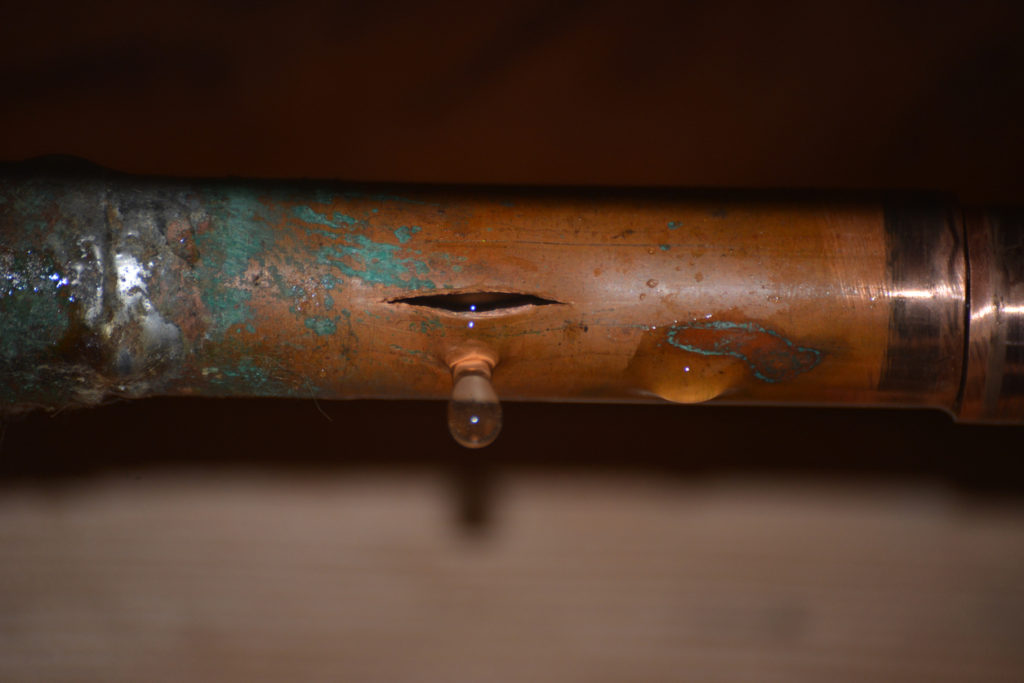
Unchecked drain problems can lead to structural damage to your home. For example, water leaks from a damaged pipe can weaken the foundation or walls, leading to costly repairs. Regular inspections can catch these issues early, preventing structural damage and preserving the integrity of your home.

7. Save Money

While it may seem counterintuitive, investing in regular drain inspections can save you money in the long run. By preventing major plumbing issues and addressing minor ones before they escalate, you can avoid expensive repairs and emergency plumbing services. Regular maintenance is a cost-effective way to keep your plumbing system in top shape.

8. Environmental Benefits

Regular drain inspections can also have positive environmental impacts. When your plumbing system operates efficiently, it uses less water and energy. This not only reduces your utility bills but also conserves precious resources. Additionally, it can prevent water contamination from leaks or sewage backups, safeguarding the environment.

9. Peace of Mind

Knowing that your plumbing system is in good condition can provide peace of mind. You won’t have to worry about sudden plumbing emergencies or the stress and inconvenience they bring. Instead, you can enjoy the comfort and convenience of a well-maintained home.

10. Compliance with Regulations

In some areas, there are regulations and codes that require regular inspections and maintenance of plumbing systems. Staying compliant with these regulations is essential for the safety and sanitation of your home. Regular drain inspections can help ensure that you meet these requirements.

Scheduling Regular Drain Inspections

To reap the benefits of regular drain inspections, it’s important to establish a maintenance schedule. Here are some tips for scheduling and conducting drain inspections:

  1. Frequency: The frequency of drain inspections can vary depending on factors like the age of your plumbing system and local conditions. Generally, it’s a good idea to schedule inspections annually or biannually.
  2. Professional Inspection: While there are some DIY drain cleaning and inspection tasks you can perform, it’s essential to have a professional plumber conduct a thorough inspection periodically. They have the tools and expertise to identify and address issues effectively.
  3. Maintenance Plan: Consider signing up for a maintenance plan with a reputable plumbing company. These plans often include regular inspections and preventive maintenance to keep your plumbing system in top shape.
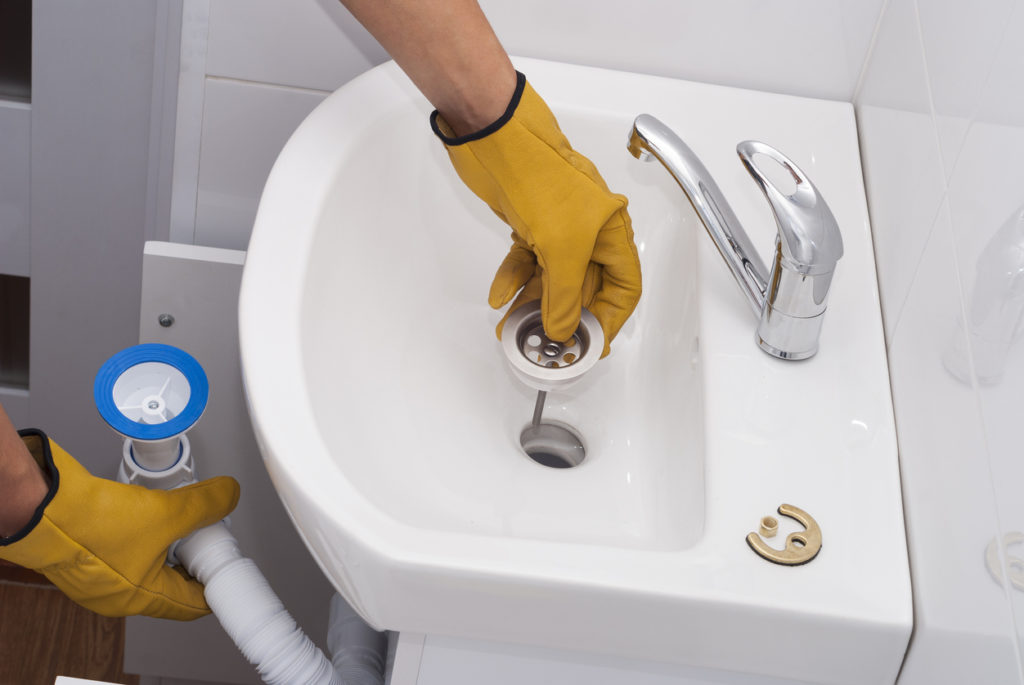
  4. DIY Maintenance: In addition to professional inspections, you can perform some routine maintenance tasks yourself. For example, regularly clean sink and shower drains using a drain snake or a mixture of vinegar and baking soda to prevent buildup.

In conclusion, regular drain cleaning Calgary inspections are an investment in the health and longevity of your plumbing system and your home. They help detect and prevent issues early, improve drainage efficiency, and save you money on costly repairs. By taking a proactive approach to plumbing maintenance, you can enjoy the peace of mind of a well-functioning plumbing system and a clean, healthy home environment.

Calgary Plumber and Drains is your number one team of Calgary plumbers! Our success has been built on values such as honesty, hard work, affordable prices and superior customer service. We pride ourselves on offering clients throughout Downtown and surrounding areas with top-quality plumbing services, including leak repairs, installations, sewer and drain cleaning, toilet repairs, and water heater repairs in Calgary. As an emergency plumber in Calgary, we’re available when you’re in dire straits! For the number one plumbing company in Calgary, contact Calgary Plumber and Drains at 403-629-2920.

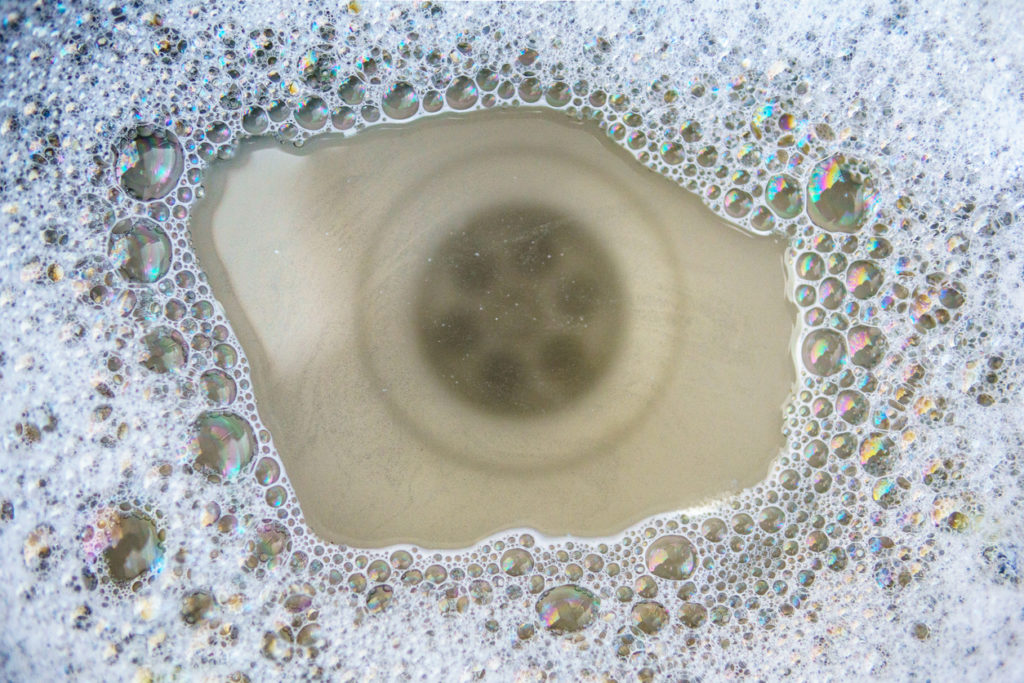
Calgary Plumbers and Top Tips for Preventing Clogged Drains 

Clogged drains are a common household nuisance that can lead to unpleasant odours, slow drainage, and even more severe plumbing issues. Fortunately, preventing clogged drains is relatively easy with a few simple maintenance practices and habits. 

Adopt some top imperative tips for drain cleaning in Calgary that will keep your plumbing system running smoothly.

1. Use Drain Screens

One of the most effective ways to prevent clogged drains is by using drain screens or stoppers. These inexpensive devices fit over the drain openings in sinks, showers, and bathtubs, catching hair, soap residue, and other debris before they can enter the pipes. Regularly clean the drain screens to remove collected debris and ensure optimal water flow.

2. Avoid Pouring Grease and Oil Down the Drain

Pouring grease, oil, or fats down the drain is a recipe for clogs. As these substances cool, they solidify and cling to the walls of the pipes, gradually building up and obstructing water flow. Instead of pouring them down the drain, collect used cooking oils and grease in a sealed container and dispose of them in the trash.

3. Dispose of Food Waste Properly

In the kitchen, be mindful of what you’re putting down the sink drain. Avoid letting food scraps, coffee grounds, and other solids go down the drain. Use a sink strainer to catch food particles and empty them into the compost or garbage bin.

4. Flush with Hot Water

To prevent buildup in your pipes, flush them regularly with hot water. Run hot water down the drain after each use to help dissolve and wash away any grease, soap scum, or debris that may be accumulating. For an extra cleaning boost, add a bit of baking soda before flushing with hot water.

5. Be Mindful of What You Flush

Only flush toilet paper down the toilet. Avoid flushing items like facial tissues, wet wipes, dental floss, and sanitary products, as they can quickly lead to toilet clogs and sewer backups.

6. Use a Plunger

Invest in a good-quality plunger and keep it handy for quick fixes. A plunger can help dislodge minor clogs in sinks, toilets, and shower drains. Remember to use a different plunger for the toilet and other drains to prevent cross-contamination.

7. Regularly Clean Bathroom Drains

Bathroom drains are particularly susceptible to clogs due to the accumulation of hair, soap, and shampoo residue. Regularly clean the drain openings by removing the cover and using a small brush to remove hair and debris. You can also pour a mixture of vinegar and baking soda down the drain to help break down buildup.

8. Use Enzyme Cleaners

Enzyme-based drain cleaners are a more natural and eco-friendly option for preventing clogs. These cleaners contain bacteria that break down organic materials in your drains, helping to prevent blockages and odours. Use them regularly to maintain clean and flowing drains.

9. Avoid Overloading Garbage Disposals

Garbage disposals are handy kitchen appliances, but they have their limits. Avoid overloading them with large quantities of food scraps, fibrous materials (like celery), and hard items (like bones or fruit pits). Feed food scraps gradually and run cold water while the disposal is operating to help flush away debris.

10. Schedule Professional Drain Cleaning

Regular professional drain cleaning can help prevent clogs and maintain the health of your plumbing system. A plumber can use specialized equipment to clear out any accumulated debris and buildup, ensuring that water flows freely through your pipes.

Conclusion

Preventing clogged drains is a combination of simple habits and proactive maintenance. By being mindful of what goes down your drains, using drain screens, avoiding grease and oil disposal, and regularly cleaning and flushing your drains, you can significantly reduce the risk of clogs and maintain a smoothly functioning plumbing system. By adopting these top tips for preventing clogged drains, you’ll not only save yourself the hassle of dealing with clogs but also extend the lifespan of your plumbing system and keep your home’s water flow in optimal condition.

Calgary Plumber and Drains is your number one team of Calgary plumbers! Our success has been built on values such as honesty, hard work, affordable prices and superior customer service. We pride ourselves on offering clients throughout Downtown and surrounding areas with top-quality plumbing services, including leak repairs, installations, sewer and drain cleaning, toilet repairs, and water heater repairs in Calgary. As an emergency plumber in Calgary, we’re available when you’re in dire straits! For the number one plumbing company in Calgary, contact Calgary Plumber and Drains at 403-629-2920.

Water Heater Repair in Calgary and Learning Why Your Water Heater Keeps Overheating 

Hot water heaters are essential appliances that provide us with comfort and convenience in our daily lives. However, when these appliances start to overheat, it can cause inconvenience, safety concerns, and potential damage to the system. If you’re a homeowner experiencing this issue, it may require water heater repair in Calgary from reputable professionals. 

Learn more about the reasons why hot water heaters keep overheating and provide comprehensive solutions to help you troubleshoot and resolve the problem.

  1. Thermostat Malfunction

One common reason for hot water heater overheating is a malfunctioning thermostat. The thermostat controls the temperature of the water by turning the heating element on and off. If the thermostat becomes faulty or misaligned, it can cause the heating element to continuously heat the water, leading to overheating. To fix this issue, you may need to replace the thermostat or call a professional plumber for assistance.

  1. Sediment Build-up

Over time, sediment can accumulate at the bottom of the water heater tank. This sediment acts as an insulating barrier between the heating element and the water, causing the element to work harder and the water to overheat. Regular flushing of the tank can help prevent sediment build-up and maintain the efficiency of your hot water heater.

  1. High Water Pressure

Excessively high water pressure can also contribute to hot water heater overheating. When the pressure exceeds the recommended limit, the water flow may become restricted, causing the water to heat up more than usual. Installing a pressure-reducing valve can help regulate the water pressure, preventing overheating issues.

  1. Faulty Pressure Relief Valve

The pressure relief valve is a safety feature designed to release excess pressure inside the water heater tank. If this valve malfunctions or fails, it can cause the water heater to overheat due to the absence of pressure release. In such cases, replacing the faulty relief valve is crucial to ensure safe operation and prevent overheating.

  1. Electrical Issues

Electrical problems, such as a short circuit or a damaged heating element, can cause the water heater to overheat. If the heating element is continuously activated due to a wiring issue, it will keep heating the water beyond the desired temperature. Hiring a professional electrician to inspect the electrical connections and replace any damaged components is recommended.

  1. Insufficient Ventilation

Hot water heaters require proper ventilation to dissipate heat. Inadequate ventilation can cause the unit to overheat, as the heat becomes trapped inside the appliance. Ensure that the venting system is clear of obstructions, and consider improving the ventilation if necessary.

Conclusion

Hot water heater overheating can be a frustrating and potentially dangerous problem for homeowners. By understanding the common causes mentioned above, you can take the necessary steps to diagnose and resolve the issue through a comprehensive hot water heater repair in Calgary. Remember, if you are unsure about troubleshooting the problem yourself, it’s always best to seek professional assistance from a licensed plumber or electrician.

Regular maintenance, such as flushing the tank and checking the thermostat, can prevent overheating problems in the long run. By addressing the issue promptly and ensuring your water heater operates efficiently, you can enjoy a continuous supply of hot water while maintaining the safety of your home.

Calgary Plumber and Drains is your number one team of Calgary plumbers! Our success has been built on values such as honesty, hard work, affordable prices and superior customer service. We pride ourselves on offering clients throughout Downtown and surrounding areas with top-quality plumbing services, including leak repairs, installations, sewer and drain cleaning, toilet repairs, and water heater repairs in Calgary. As an emergency plumber in Calgary, we’re available when you’re in dire straits! For the number one plumbing company in Calgary, contact Calgary Plumber and Drains at 403-629-2920.

How Much Does a Hot Water Tank in Calgary Cost? 

When it comes to replacing a hot water tank, it’s essential to have a clear understanding of the costs involved. Several factors can influence the price of a new hot water tank, including the type of tank, its capacity, and if you require an initial hot water tank replacement in Calgary and other additional features. 

Learn more about the various factors that contribute to the cost of a new hot water tank, so you can understand what you’re getting into. 

Types of Hot Water Tanks

There are different types of hot water tanks available in the market, and each type comes with its own price range. The most common types of hot water tanks are:

  1. Conventional Tanks: These tanks store heated water and are typically the most affordable option. They come in various sizes, ranging from 40 to 60 gallons.
  2. Tankless Water Heaters: Tankless water heaters provide hot water on demand and are known for their energy efficiency. They tend to have a higher upfront cost but can save on energy expenses in the long run.
  3. Heat Pump Water Heaters: These water heaters use electricity to transfer heat from the air or ground to heat the water. They are energy-efficient but may have a higher initial cost compared to conventional tanks.
  4. Solar Water Heaters: Solar water heaters use energy from the sun to heat the water. While they can significantly reduce energy costs, they have higher upfront installation costs.

The Capacity of the Tank

The capacity of the hot water tank is another important factor that affects the price. Larger tanks with higher storage capacities tend to cost more than smaller tanks. The size of the tank you need will depend on factors such as the number of occupants in your home and your hot water usage patterns. Consulting with a professional can help determine the appropriate tank size for your household’s needs.

Installation Costs

The installation costs associated with a new hot water tank should also be considered. Hiring a licensed plumber to install the tank ensures proper installation and compliance with local codes and regulations. Installation costs can vary depending on the complexity of the installation, any necessary modifications to the plumbing system, and the plumber’s hourly rate. It’s advisable to obtain quotes from multiple plumbers to compare prices and services.

Additional Features and Upgrades

Certain additional features and upgrades can increase the cost of a hot water tank. For example, high-efficiency tanks, digital controls, and advanced safety features may come at a higher price. You should always make sure to evaluate whether these features are necessary for your specific needs and budget.

Warranty and Maintenance

The warranty offered by the manufacturer is another factor to consider when estimating the cost of a new hot water tank. Tanks with more extended warranties tend to have higher upfront costs but provide peace of mind in terms of potential future repairs or replacements. Additionally, regular maintenance costs, such as flushing the tank and replacing sacrificial anode rods, should be taken into account when calculating the overall cost of owning a hot water tank.

Conclusion

The cost of a hot water tank replacement in Calgary can vary depending on several factors. The type of tank, its capacity, installation costs, additional features, warranty, and ongoing maintenance expenses all contribute to the overall cost. It’s essential to consider your hot water needs, budget, and long-term energy savings when selecting a hot water tank. Consulting with professionals, obtaining multiple quotes, and understanding the specific requirements of your household will help you make an informed decision and find the best hot water tank that meets your needs and budget.

Calgary Plumber and Drains is your number-one team of Calgary plumbers! Our success has been built on values such as honesty, hard work, affordable prices and superior customer service. We pride ourselves on offering clients throughout Downtown and surrounding areas with top-quality plumbing services, including leak repairs, installations, sewer and drain cleaning, toilet repairs, and water heater repairs in Calgary. As an emergency plumber in Calgary, we’re available when you’re in dire straits! For the number one plumbing company in Calgary, contact Calgary Plumber and Drains at 403-629-2920.

Calgary Plumbers and How to Prepare Your Sump Pump for Flood Season 

Flood season can bring significant water damage to basements and lower levels of homes. To protect your property from potential flooding, it’s essential to ensure that your sump pump is in good working condition and ready to handle excess water. To secure the general structural integrity of your home and keep your home secure, homeowners opt to receive assistance from Calgary plumbers to stay prepared ahead of flood season. 

Discover some essential steps to help you prepare your sump pump for the flood season and keep your home protected.

Inspect and Clean the Sump Pit

Start by inspecting the sump pit, which is the hole in the ground where the sump pump sits. Make sure the pit is free from debris, dirt, and any obstructions that could hinder the pump’s performance. Remove any accumulated debris, such as leaves or small rocks, and give the pit a thorough cleaning using a brush or hose. A clean sump pit allows the pump to operate efficiently and prevents clogs that could cause malfunctions during flood season.

Test the Sump Pump

Testing your sump pump is an essential step to ensure it is functioning properly. Begin by pouring water into the sump pit until the pump is activated. Observe whether the pump starts automatically and effectively pumps out the water. Listen for any unusual noises or vibrations that could indicate a problem. If the pump fails to start or does not remove the water efficiently, it may require repairs or replacement. It’s advisable to consult a professional if you encounter any issues during the testing process.

Check the Power Source

A reliable power source is crucial for the proper functioning of your sump pump. Make sure that the pump is plugged into a GFCI (Ground Fault Circuit Interrupter) outlet to protect against electrical hazards. Test the outlet by pressing the “test” button to ensure it is working correctly. Consider having a backup power source, such as a battery backup or a generator, in case of power outages during flood season. A backup power system ensures that your sump pump continues to operate even when the main power supply is disrupted.

Inspect the Discharge Pipe

The discharge pipe is responsible for carrying water away from your home. Inspect the pipe to ensure it is securely attached to the pump and is directing water away from the foundation. Clear any debris or blockages from the pipe to prevent water backups. Additionally, check that the end of the pipe is clear and not obstructed by dirt or vegetation. Proper discharge pipe maintenance helps prevent water from flowing back into the sump pit or seeping into your home.

Consider a Maintenance Service

If you are unsure about the condition of your sump pump or want to ensure it is in optimal working condition, consider hiring a professional for a maintenance service. A professional technician can inspect, clean, and test your sump pump, as well as make any necessary repairs or adjustments. Regular maintenance can identify potential issues before they become major problems and provide peace of mind during flood season.

Keep the Area Around the Sump Pump Clear

To allow your sump pump to function effectively, it’s essential to keep the area around it clear. Avoid storing items or placing obstacles near the pump that could interfere with its operation. Maintain a clean and clutter-free space to ensure easy access to the sump pump and prevent any potential damage or obstructions.

Conclusion

Preparing your sump pump for flood season is essential to protect your home from water damage. By inspecting and cleaning the sump pit, testing the pump, checking the power source, inspecting the discharge pipe, considering a maintenance service, and keeping the area around the pump clear, you can ensure that your sump pump is in optimal working condition. If you need assistance with any of these tasks, it is advised to contact local Calgary plumbers, who can sufficiently help you. Taking these proactive steps will help safeguard your home during flood season and provide you with peace of mind knowing that your sump pump is prepared to handle excess water effectively.

Calgary Plumber and Drains is your number-one team of Calgary plumbers! Our success has been built on values such as honesty, hard work, affordable prices and superior customer service. We pride ourselves on offering clients throughout Downtown and surrounding areas with top-quality plumbing services, including leak repairs, installations, sewer and drain cleaning, toilet repairs, and water heater repairs in Calgary. As an emergency plumber in Calgary, we’re available when you’re in dire straits! For the number one plumbing company in Calgary, contact Calgary Plumber and Drains at 403-629-2920.
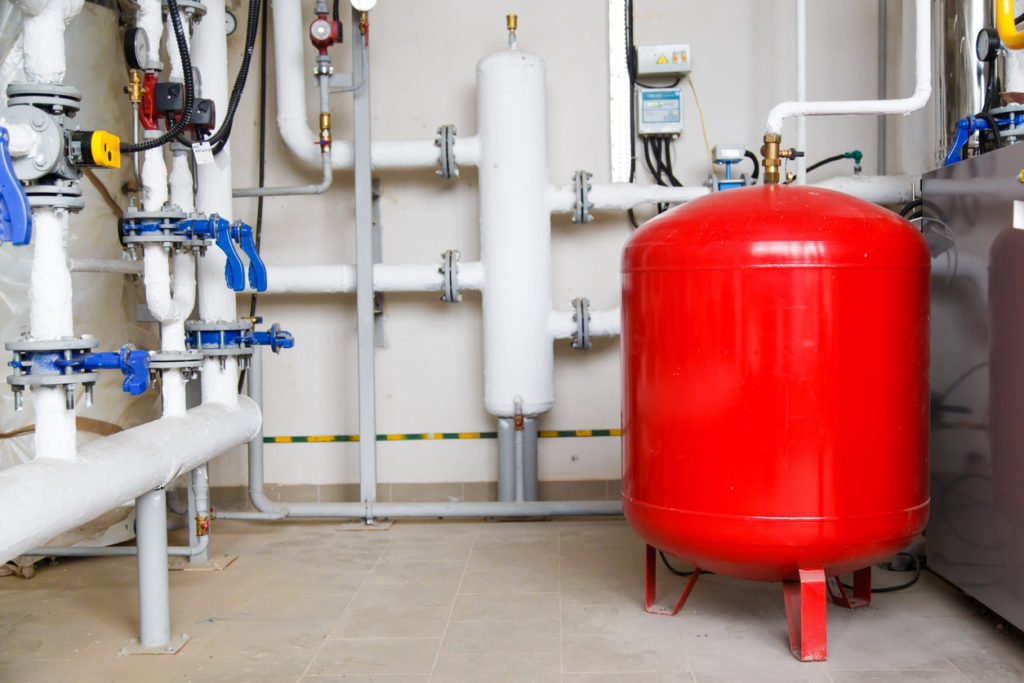
When is the Time to Approach Furnace Replacement in Calgary

Replacing your furnace can be a significant investment, so it’s essential to know the best time of year to do it. Replacing a furnace during certain seasons can affect the cost, availability, and convenience of the replacement process and understanding the optimal time for you to purchase one for your household can prove to be imperative. 

Discover when is the best time to replace your furnace by analyzing each season and what you should consider before deciding to make the decision to implement a furnace replacement in Calgary.

Off-Season Replacement

The best time to replace your furnace is during the off-season. Typically, the off-season is between late spring and early fall when temperatures are mild, and homeowners are less likely to be using their furnaces. During this time, HVAC technicians are less busy, and you may be able to get a better deal on a replacement furnace. Additionally, replacing your furnace during the off-season allows you to schedule the replacement at a convenient time without worrying about living in a cold home while waiting for the installation.

During this period, HVAC companies may offer discounts, rebates or other promotions to encourage people to upgrade their furnace. Some companies may also offer flexible financing options to make the replacement more affordable.

Winter Replacement

If you wait until winter to replace your furnace, you may face some challenges. HVAC technicians are much busier during winter due to an increased number of furnace repair and replacement calls, so you may have to wait longer for an appointment. Additionally, if your furnace breaks down during the winter, you may be forced to replace it quickly, which can lead to a rushed decision and higher costs.

Replacing your furnace during winter can also cause some discomfort if the installation process takes longer than expected or if there are issues with the new furnace. It’s not uncommon for homes to go a day or two without heat while a new furnace is being installed, so it’s essential to prepare for this possibility.

Summer Replacement

While summer is not the best time to replace a furnace, it’s better than winter. Replacing your furnace during summer can offer some advantages, such as lower installation costs, better scheduling options, and more time to research and compare different furnace models.

However, if you wait too long into the summer, HVAC technicians may become busier due to the increasing number of air conditioner repair and replacement calls. Additionally, if your furnace breaks down during the summer, you may have to wait longer for a replacement because demand for new furnaces is lower.

Spring and Fall Replacement

Spring and fall are the best seasons to replace a furnace. During these seasons, the weather is mild, and HVAC technicians are not as busy as they are during winter and summer. Scheduling a replacement during these times will allow you to get the best deal and more flexibility in terms of installation scheduling.

In addition, replacing your furnace during spring or fall can also help you identify and fix any issues with your home’s heating system before the colder winter months arrive. This way, you can ensure that your home is ready for winter, and you won’t have to worry about any issues with your heating system during the cold season.

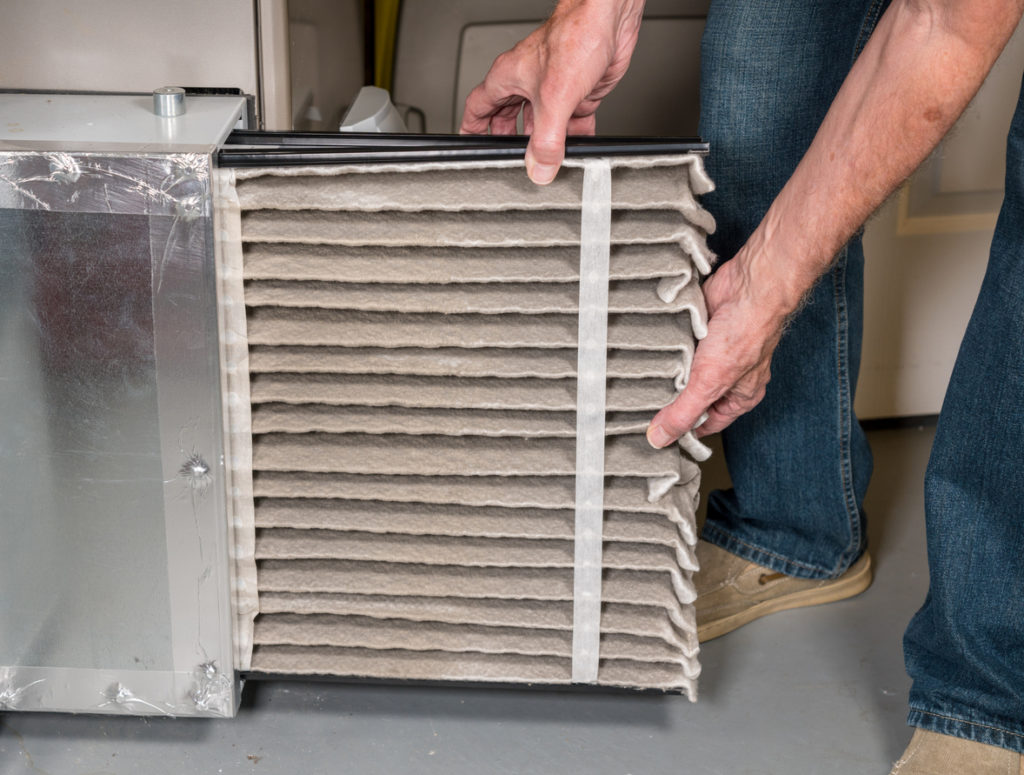
Senior caucasian man changing a folded dirty air filter in the HVAC furnace system in basement of home

Conclusion

In conclusion, the best time to replace your furnace is during the off-season, particularly in the spring or fall. Replacing your furnace during these times offers better scheduling options, lower costs, and more flexibility. While it may be tempting to wait until winter to replace your furnace, it can lead to rushed decisions, higher costs, and discomfort. Be sure to consult with a professional HVAC technician to determine the best time for you start the process of a furnace replacement in Calgary.

Calgary Plumber and Drains is your number one team of Calgary plumbers! Our success has been built on values such as honesty, hard work, affordable prices and superior customer service. We pride ourselves on offering clients throughout Downtown and surrounding areas with top-quality plumbing services, including leak repairs, installations, sewer and drain cleaning, toilet repairs, and water heater repairs in Calgary. As an emergency plumber in Calgary, we’re available when you’re in dire straits! For the number one plumbing company in Calgary, contact Calgary Plumber and Drains at 403-629-2920.

Calgary plumbers and repairing your hot water tank

A water heater is one of the more imperative fixtures in any household that will enable you to have hot water when showering, dishwashing, washing clothes in a laundry machine, and so much more that keep a home functional. And while your hot water heater is your silent saviour that you may not think about a lot, without it, it can cause disarray. To ensure that your water heater is in good condition, you should be watchful of any signs of trouble that prompt a call to Calgary plumbers and related services for repair. 

Discover the signs you should watch out for that could mean your hot water heater needs repairs or a replacement.

Lack of hot water production

A clear sign that your hot water tank needs repairs is when water production is minimal, if not completely gone. A rush of cold water will often be felt when you’re expecting hot water, which can be greatly unpleasant in any given situation. When hot water heaters begin to age, they will become considerably worse at producing hot water because of the build-up of sediment. Although minimal water production typically means that repairs are needed for your hot water heater, it could also mean you need a larger unit to meet the water consumption needs of your household. 

Noises

While your hot water heater is expected to make some noises, you should not be hearing loud popping, cracking, banging, and low rumbling noises, and these should be cause for concern. When there is an excess of material build-up within the tank and on the different heating elements, it can produce louder noises than usual. If these noises are heard, you should contact Calgary plumbers and professionals to inspect your hot water heater sooner rather than later. 

Hot water tank is leaking

Leaking is never a sign of good maintenance for any of your household appliances and fixtures, particularly when it concerns your hot water heater. When you have had a hot water heater that is consistently heating and cooling for years, it can eventually wear on the piece of machinery, and deterioration will occur. When your hot water heater begins to leak, you’ll likely notice a pool of water forming at the base of the heater. Oftentimes, if a leak is severe enough, it may mean that you’ll need to simply troubleshoot your hot water heater, or you’ll need to get it replaced. 

Reduced water pressure 

When mineral deposits and sediment has been built for long enough, they can cause damage to your hot water heater by minimizing the pressure of your household water. Reduced water pressure and minimized hot water production can culminate in an inconvenience you’ll want to remedy immediately by contacting professional plumbing services for repairs. 

Rusty and cloudy water

Once the water from your taps appears cloudy or rusty, it usually means that the pipes in your home and the hot water tank have corroded on the inside and should be replaced soon. If the rust also emerges on the outside of the hot water heater, it is a greater indication that rust will be discovered on the inside, and a replacement should be contemplated. 

Calgary Plumber and Drains is your number one team of Calgary plumbers! Our success has been built on values such as honesty, hard work, affordable prices and superior customer service. We pride ourselves on offering clients throughout Downtown and surrounding areas with top-quality plumbing services, including leak repairs, installations, sewer and drain cleaning, toilet repairs, and water heater repairs in Calgary. As an emergency plumber in Calgary, we’re available when you’re in dire straits! For the number one plumbing company in Calgary, contact Calgary Plumber and Drains at 403-629-2920.

Calgary plumbers and repairing your hot water tank

A water heater is one of the more imperative fixtures in any household that will enable you to have hot water when showering, dishwashing, washing clothes in a laundry machine, and so much more that keep a home functional. And while your hot water heater is your silent saviour that you may not think about a lot, without it, it can cause disarray. To ensure that your water heater is in good condition, you should be watchful of any signs of trouble that prompt a call to Calgary plumbers and related services for repair. 

Discover the signs you should watch out for that could mean your hot water heater needs repairs or a replacement.

Lack of hot water production

A clear sign that your hot water tank needs repairs is when water production is minimal, if not completely gone. A rush of cold water will often be felt when you’re expecting hot water, which can be greatly unpleasant in any given situation. When hot water heaters begin to age, they will become considerably worse at producing hot water because of the build-up of sediment. Although minimal water production typically means that repairs are needed for your hot water heater, it could also mean you need a larger unit to meet the water consumption needs of your household. 

Noises

While your hot water heater is expected to make some noises, you should not be hearing loud popping, cracking, banging, and low rumbling noises, and these should be cause for concern. When there is an excess of material build-up within the tank and on the different heating elements, it can produce louder noises than usual. If these noises are heard, you should contact Calgary plumbers and professionals to inspect your hot water heater sooner rather than later. 

Hot water tank is leaking

Leaking is never a sign of good maintenance for any of your household appliances and fixtures, particularly when it concerns your hot water heater. When you have had a hot water heater that is consistently heating and cooling for years, it can eventually wear on the piece of machinery, and deterioration will occur. When your hot water heater begins to leak, you’ll likely notice a pool of water forming at the base of the heater. Oftentimes, if a leak is severe enough, it may mean that you’ll need to get your hot water heater replaced. 

Reduced water pressure 

When mineral deposits and sediment has been built for long enough, they can cause damage to your hot water heater by minimizing the pressure of your household water. Reduced water pressure and minimized hot water production can culminate in an inconvenience you’ll want to remedy immediately by contacting professional plumbing services for repairs. 

Rusty and cloudy water

Once the water from your taps appears cloudy or rusty, it usually means that the pipes in your home and the hot water tank have corroded on the inside and should be replaced soon. If the rust also emerges on the outside of the hot water heater, it is a greater indication that rust will be discovered on the inside, and a replacement should be contemplated. 

Calgary Plumber and Drains is your number one team of Calgary plumbers! Our success has been built on values such as honesty, hard work, affordable prices and superior customer service. We pride ourselves on offering clients throughout Downtown and surrounding areas with top-quality plumbing services, including leak repairs, installations, sewer and drain cleaning, toilet repairs, and water heater repairs in Calgary. As an emergency plumber in Calgary, we’re available when you’re in dire straits! For the number one plumbing company in Calgary, contact Calgary Plumber and Drains at 403-629-2920.
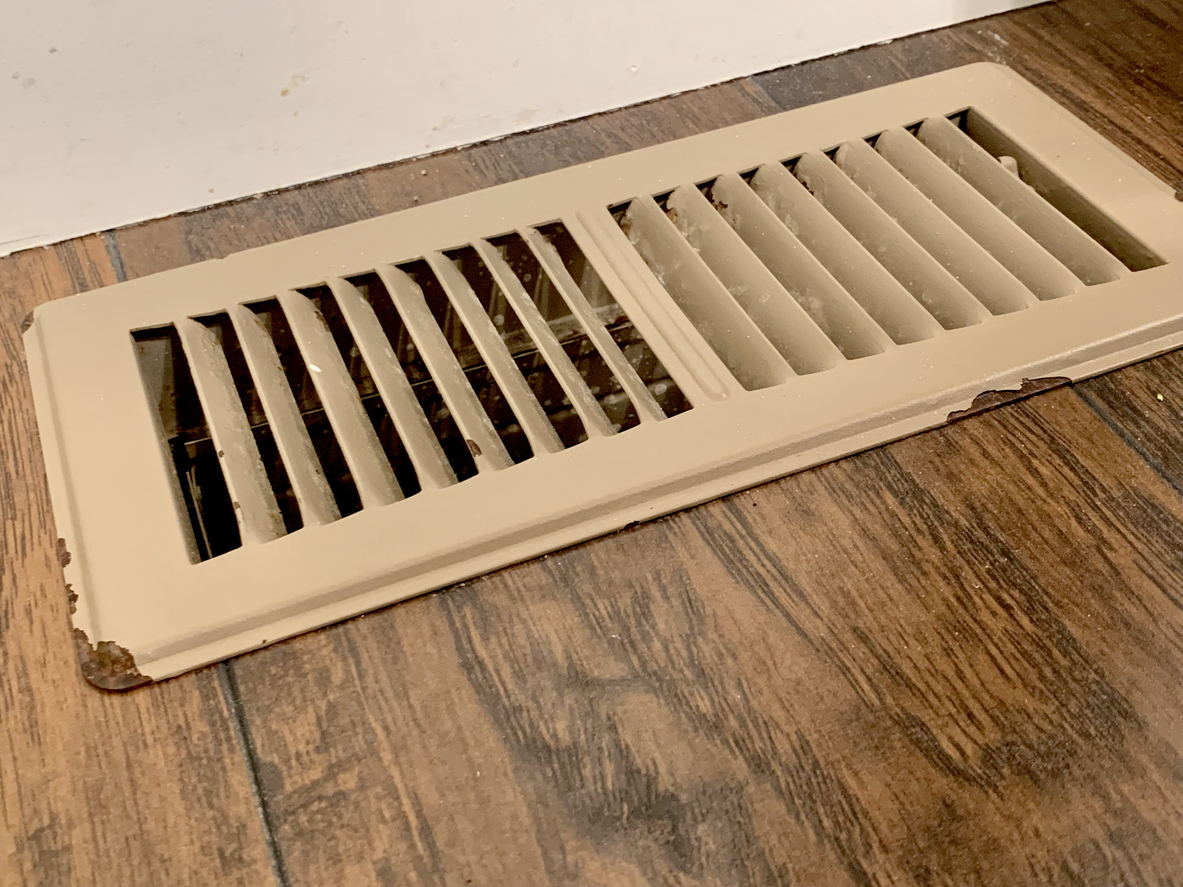
Plumbing in Calgary and signs of a ruptured pipe under your home

The pipes in your home are essential for smooth household operations, and when they are obstructed, they will always require extensive repairs that can be quite costly. One of the most damaging pipe ruptures that can occur within the home is the pipes below the foundation, and although pipes under the foundation are incredibly robust, they can still burst, and major repairs will need to occur. When it comes to this type of plumbing in Calgary, there are explicit signs that will tell you if the pipes under the foundation have burst, giving you a chance to retrieve professional repairs as soon as possible. 

Find out the signs you should know that indicate the primal plumbing under your home’s foundation has burst. 

No running water

When the water within your household discontinues running, that could be a sign that the pipes under your foundation have burst. In contrast, there are a couple of other reasons why your water services have stopped, including missing water payments and a scheduled interruption for maintenance reasons, typically a break in the pipes between the foundation and meter, which is the culprit of no running water within your home. Of course, you can ensure this is the case by contacting your local water company and checking to see if an outage has occurred. If an outage has not happened, you can assume that there could be a piping leak in some area, and you should turn your taps off to prevent any damage. 

Discoloured water

When the pipes have partially burst under your foundation, water can continue to run, but you may notice that it is discoloured. The discolouration of the water may be due to soil from around the foundation seeping into the water line through the crack in the pipes. As the water continues to run through the pipes, muddled with dirt, it will culminate in brownish water running in your home. This discolouration will signal to you that there is damage along the water line somewhere that needs repairs. 

Sputtering water

If the water coming out of your faucets is sputtering significantly, this is a sign that the water pipe has burst but has not completely deteriorated. A partially cracked water line allows air to come in, and the water pressure substantially reduces, resulting in the spitting water that comes out of the faucets. While there are other reasons your water might be sputtering when coming out of the faucet, leaving the water running for a bit and seeing if the sputtering does not eventually stop, you will know that the water line under your foundation has been ruptured. 

Sewer odours

When a foul smell from your sewer begins to emerge and is potent either indoors or outdoors, a ruptured pipe and sewer line under your foundation could be the culprit. If a repugnant smell cannot be ignored around your home, you should look into whether or not your sewage line or septic tank has leaked and contact plumbing in Calgary professionals sooner rather than later to eliminate the smell and avoid any potential hazards. 

Flooding

A definitive way to know if your pipes have burst under your home is if flooding begins to happen within the home. When the pipes burst under your foundation, the flooding will begin in the basement and will pool until the water line is completely off. Of course, when flooding occurs, you’ll want to contact a professional for emergency repairs. 

Calgary Plumber and Drains is your number-one team of Calgary plumbers! Our success has been built on values such as honesty, hard work, affordable prices and superior customer service. We pride ourselves on offering clients throughout Downtown and surrounding areas with top-quality plumbing services, including leak repairs, installations, sewer and drain cleaning, toilet repairs, and water heater repairs in Calgary. As an emergency plumber in Calgary, we’re available when you’re in dire straits! For the number one plumbing company in Calgary, contact Calgary Plumber and Drains at 403-629-2920.
Running your Furnace in the Winter

Homeowners often rely on their furnaces operating in the winter to keep their homes comfortable during the coldest days of the year. After not using your furnace during the spring and summer months, the winter will begin to test the functions of your furnace as it will be utilized more often than not. When you begin to use your furnace in winter, it will prompt a question regarding how often a furnace should be on during the winter to avoid overworking the fixture, which might culminate in a need for furnace repair in Calgary

Find out how often homeowners should run their furnaces during the winter to maintain them and prevent potential damages. 

Furnace cycles 

Furnace cycling often refers to how long a furnace will function to deliver heat within a home until it reaches a comfortable temperature. For example, if a household member sets the temperature to 70 degrees, the furnace will cycle heat for an allotted amount of time until the temperature reaches 70, and then the furnace will shut off. When the temperature begins to drop again after it shuts off, the furnace will start a new cycle to revert the temperature back to its desired level. Depending on your preferred temperature, the number of cycles that will occur daily will vary, as will the amount your furnace will be running–something you must factor in. 

How often to keep the furnace on

There is no suggested timeframe to keep your furnace running, as it all depends on external factors, such as the size of your home. On average, a cycle will last 15 to 20 minutes, and a cycle can reoccur every three to eight times an hour. While the time you run your furnace has dependencies you may not be able to control, homeowners should keep a watchful eye on how much their furnace is running to reduce wasted energy, which can also contribute to high energy bills. To prevent high energy costs, consider keeping the temperature in your home at a minimal level, so your furnace will not continuously cycle. 

Factors

Many factors will determine how often you will use your furnace during winter, including if your home has no insulation or if your windows and doors aren’t properly sealed, all of which can make your furnace have longer cycles. These issues can be corrected when you seal your doors and windows and install insulation in your walls, ensuring that your furnace doesn’t run longer than it should and will effectively reduce the energy you use. Another less controllable factor that will make a furnace cycle duration longer is if you live in a large residence, where it will take longer to heat up, or if you reside in a perpetually cold climate. 

Signs of damage

The number of times your furnace will cycle and heat your home will ultimately depend on different factors and how well your furnace operates. Like any fixture in the home, the furnace is not immune to damage, and some signs indicate problems may be on the horizon. A primary sign that something is wrong with your furnace is if it begins to cycle every two to three minutes, also known as short cycling. Short cycling is often caused by simple errors that can be quickly rectified, like a clogged air vent and old air filters that need to be replaced. Other, more severe problems, such as an aging HVAC that is deteriorating, or a damaged thermostat, blower motor, and flame sensor, all of which will require a furnace repair in Calgary from an HVAC repair professional 

Calgary Plumber and Drains is your number one team of Calgary plumbers! Our success has been built on values such as honesty, hard work, affordable prices and superior customer service. We pride ourselves on offering clients throughout Downtown and surrounding areas with top-quality plumbing services, including leak repairs, installations, sewer and drain cleaning, toilet repairs, and water heater repairs in Calgary. As an emergency plumber in Calgary, we’re available when you’re in dire straits! For the number one plumbing company in Calgary, contact Calgary Plumber and Drains at 403-629-2920.