Most folks might not know a sump pump until their basement is ankle-deep in cold water suddenly. It’s a scenario that many Calgary plumbers know all too well since a damaged sump pump can quickly turn into a plumbing emergency. Knowing what a sump pump is and how it works can better understand any issues that might arise in the future and deal with them accordingly. 

What is a Sump Pump?

In 1946, the sump pump was invented by U.S. Navy electrician Karl Niedermeyer to help prevent large amounts of water from collecting under a house’s foundation. It became a mandatory inclusion for homes after the late 80s since it helps prevent groundwater intrusion by removing water accumulated in the sump basin. Typically the collected water from the sump basin comes from storms or when the groundwater level is above your basement floor – hence why you can find a sump pump in the basement. 

How Does a Sump Pump Function?

First, where can you find a sump pump in your basement? You can find a sump pump by knowing where the sump basin is located – usually in a corner or against an outside wall. Once you find it, you will see many holes in your sump basin wall, all of which connect to a drain pipe. Depending on your home, some drain pipes will come from weeping tile pipes outside the bottom of your home’s foundation, while others connect to interior drainage systems under your basement floor.

When groundwater collects and flows into a drain pipe into your sump basin, the sump pump kicks into gear when it reaches a certain level. Depending on your sump pump, it activates in one of two ways: a pressure sensor or a float activator arm. The pressure sensor sends a signal to your pump when water pressure exceeds a certain level. A float activator arm uses an attached buoyant ball that floats on the water’s surface, where the sump pump is activated when the water level reaches a certain height.

Once the sump pump gets into gear, an impeller inside your pump draws water out of the sump basin and sends it up a discharge pipe. You can expect the discharge pipe to empty far from your home’s foundation. 

How to Maintain a Sump Pump?

Maintenance is important. If you have issues with your sump pump, it can become a bigger issue. A faulty sump pump can result in terrible water damage like flooding, warped wood, cause rot, and lead to mold growth that can be expensive to cover the costs on. 

Some factors that indicate a damaged sump pump:

  • Strange noises
  • Visible rust
  • Vibrates too much when running
  • Infrequent pump usage
  • Running too much
  • Irregular cycling
  • Older than seven years
  • Motor stuck or motor failure

For maintenance, it’s recommended to get a sump pump regularly inspected every three to four months, with a more in-depth one to be done annually by a plumber. 

Calgary Plumber and Drains is your number one team of Calgary plumbers! Our success has been built on values such as honesty, hard work, affordable prices and superior customer service. We pride ourselves on offering clients throughout Downtown and surrounding areas with top-quality plumbing services, including leak repairs, installations, sewer and drain cleaning, toilet repairs, and water heater repairs in Calgary. As an emergency plumber in Calgary, we’re available when you’re in dire straits! For the number one plumbing company in Calgary, contact Calgary Plumber and Drains at 403-629-2920.

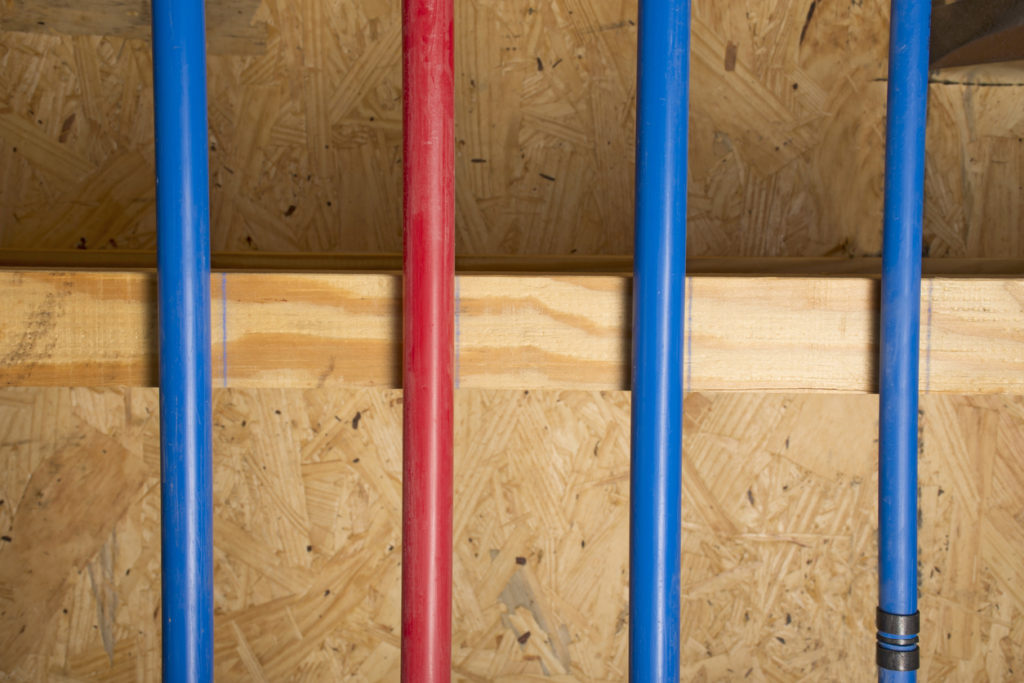
As professional plumbers continue to learn more about their field, advancements are made to enhance the safety and security of your home. This can be great news for those purchasing new builds, but for those living in homes thirty years old or older, you may not be seeing the benefits of these discoveries just yet.

Polybutylene piping, also known as Poly B, was the industry standard in the 80s and 90s, often hailed as the solution for all future plumbing. However, since installation, home and business owners have been experiencing water leakages and burst pipes.

Fortunately, a new player is in town: PEX piping. So let’s explore the differences between the two styles of piping and why you should turn to a plumbing company in Calgary today and make the switch!

The Downfall of Poly B and the Rise of PEX

Despite its promising start, poly B has been found to be unreliable, primarily due to two main factors.

The first is that there is a potential for a compromise in the structure before the piping is even installed. UV rays can actually break down the molecular bonds of poly B, meaning that any contact with sunlight prior to installation can be detrimental. The more sun it’s exposed to, the more likely it is that a leak will occur.

The second is that poly B does not react well to chlorine. The piping tends to deteriorate more quickly when dealing with water with higher chlorine concentrations, such as public pools.

The Advantages of PEX Piping

Flexibility

PEX is able to bend into a wide-radius turn if space permits, or utilize elbow joints in tighter spaces. Its flexibility is also a benefit when it comes to impact. Since the piping is able to expand and contract with more ease, it can handle extra pressure and hold up to freezing temperatures.

Resistant To Chemicals

As mentioned above, Poly B is negatively affected by chemicals such as chlorine. PEX, however, does not respond to chemicals, thus ensuring that the liquids it’s carrying do not impact its ability to perform and last.

Reliability

Naturally, the main goal with your plumbing is to have it work properly. Leaking pipes can lead to water damage and create a financial burden that no one wants to deal with. PEX has been used for over 40 years, proving that plumbers trust this piping to do the job well.

Aversion To Corrosion

Water or soil will not corrode PEX piping, regardless of its age.

Environmentally Friendly

PEX is actually the only piping out there that is considered to be environmentally friendly. During production, the mining of ore is not required to complete the fabrication of this product, nor is chlorine added. Additionally, once installed, heat loss and condensation are reduced, with hot water being efficiently delivered through the pipes. With PEX lasting for decades, you decrease the number of replacement parts that end up in the landfill.

If you’re looking for piping you can count on, consider replacing your poly B with PEX. If you are unsure of what kind of piping you have, always feel free to reach out to a plumbing company in Calgary for help and guidance!

Calgary Plumber and Drains is your number one team of Calgary plumbers! Our success has been built on values such as honesty, hard work, affordable prices and superior customer service. We pride ourselves on offering clients throughout Downtown and surrounding areas with top-quality plumbing services, including leak repairs, installations, sewer and drain cleaning, toilet repairs, and water heater repairs in Calgary. As an emergency plumber in Calgary, we’re available when you’re in dire straits! For the number one plumbing company in Calgary, contact Calgary Plumber and Drains at 403-629-2920.

Do you notice that there is a smell coming from your sink? Or is your drain not draining as it should be? Are drains backing up all over the house? If you are noticing any of these signs, you most likely have a sewer backup.

And this is a big problem. 

It means you’ll risk water damage in your home, floods, sewage coming back into your home, damaging it, and exposing you and your family to harmful bacteria and germs. Therefore, it’s important to fix a sewer backup when it occurs. 

But why does it happen? Knowing what causes sewer backups can help you prevent a hazardous situation while being proactive can risk the situation occurring in the first place. 

Here is why sewer backups occur, how to prevent them and what to do if you have one. 

Causes of Sewer Backups

Below are the main causes of sewer backups: 

  • Clogs can occur when there is a build-up of waste in pipes, leading to a backup in the sewer line. This can include tree roots that have grown into sewer lines.
  • Heavy rainfall can also cause sewer lines to flood and go back up pipes. 
  • Damaged or aged sewer lines can break down and crack, causing sewage backups and flooded households.
  • Blockages in city sanitary mains or inside the main plumbing system can result in backups.

How to Prevent Sewer Backups

You can prevent the outbreaks of sewer backups by following these tips: 

  • Don’t pour cooking oil or grease down the drain.
  • If you have a clogged drain, it’s best to get professional drain cleaning services immediately than letting it continue to build up. 
  • Don’t dispose of garbage or waste down the drain; make sure you correctly dispose of paper towels and waste in the trash.
  • Install a backwater prevention valve. This unique fixture allows sewage to leave your home through the drains, but if the water starts to flow backwards (a sign of a blockage), then the flap on the valve will activate and stop it. 
  • Ensure you get frequent plumbing and sewage pump maintenance. Having a professional inspect your plumbing system and sewer lines means they can proactively stop any problems from occurring. 

(What is a plumbing emergency? And does a sewer backup constitute one? Read our blog to find out!)

Call a Plumber Immediately 

If you are experiencing a sewer backup, there is only one solution to your problem: calling an emergency plumber in Calgary

A sump pump in a home basement

Only a professional plumber with expertise and knowledge in sewer lines and plumbing systems can help you with this major problem. They will inspect your sewer line (through CCTV) to determine its condition and if you need repairs or replacement. If the damage is extensive, you might require renovations. 

Before they arrive, there are some things you can do to mitigate the damage: 

  • Evacuate and turn off the electrical power in the flooded area 
  • Shut off the valve for the main water line of your home. If you are in an apartment building, speak to your landlord or property manager. 
  • Don’t use the water supply system at all until the problem is fixed. 
  • Stay away from the sewage water and if you wish to get closer to it, wear protection masks, eyeglasses, rubber boots and gloves before doing so
  • Open up doors and windows to allow ventilation through the house. 
  • Contact your municipal authority or sewer department if your home is connected to a public sewer and if there is a problem. 
  • Contact your insurance to confirm if you have coverage from sewer damage or not.

The quicker you act when you suspect a backup, the less damage there will be in your home. With sewer backups, don’t take the risk – take action as soon as possible! 

Calgary Plumber and Drains is your number one team of Calgary plumbers! Our success has been built on values such as honesty, hard work, affordable prices and superior customer service. We pride ourselves on offering clients throughout Downtown and surrounding areas with top-quality plumbing services, including leak repairs, installations, sewer and drain cleaning, toilet repairs, and water heater repairs in Calgary. As an emergency plumber in Calgary, we’re available when you’re in dire straits! For the number one plumbing company in Calgary, contact Calgary Plumber and Drains at 403-629-2920.

It is not always clear when you should call an emergency plumber in Calgary. When water is flooding in your home, it’s pretty obvious that you need a professional plumber to help you. Other times, you could have a situation on your hands but don’t know it yet. 

It’s always better to be prepared in an emergency, which is why we discuss the situations when you should contact an emergency plumber. 

When to Call an Emergency Plumber 

Flooding & Sewer Back Ups

We touched on it above, and we’re focusing on it now: rushing, flooding water is the definitive sign of an emergency plumbing situation. The damage that your house can face when it is under flooding can affect the foundation, the ceilings, walls and even the roof. It’s paramount that you speak to a professional Calgary plumber immediately if your home is experiencing a  flood.

If your home is experiencing water or sewage backing up from your household drainage. It is best to call a professional plumber to address the root cause of the backup before irreversible damage is done to your home.

Burst, Leaking or Frozen Pipes

Pipes are the “lifeblood” of your plumbing system; if there are any problems, you have to act fast to prevent further issues. The three most notable factors that can impact your pipes’ quality include if they’re leaking, bursting or frozen. 

A leaking pipe is a clear sign that if you don’t make quick plumbing repairs, it can get worse. A bursting pipe is the result of a prolonged leaking pipe. If water saturates drywall or flooring, it can cause irreversible damage, so you must act quickly and call an emergency plumber.

As for a frozen pipe, this is something that must be dealt with immediately, particularly during Calgary’s harsh winters. As the water turns to ice, the pipe can burst due to the expansion, leading to blockages in your system or flooding. 

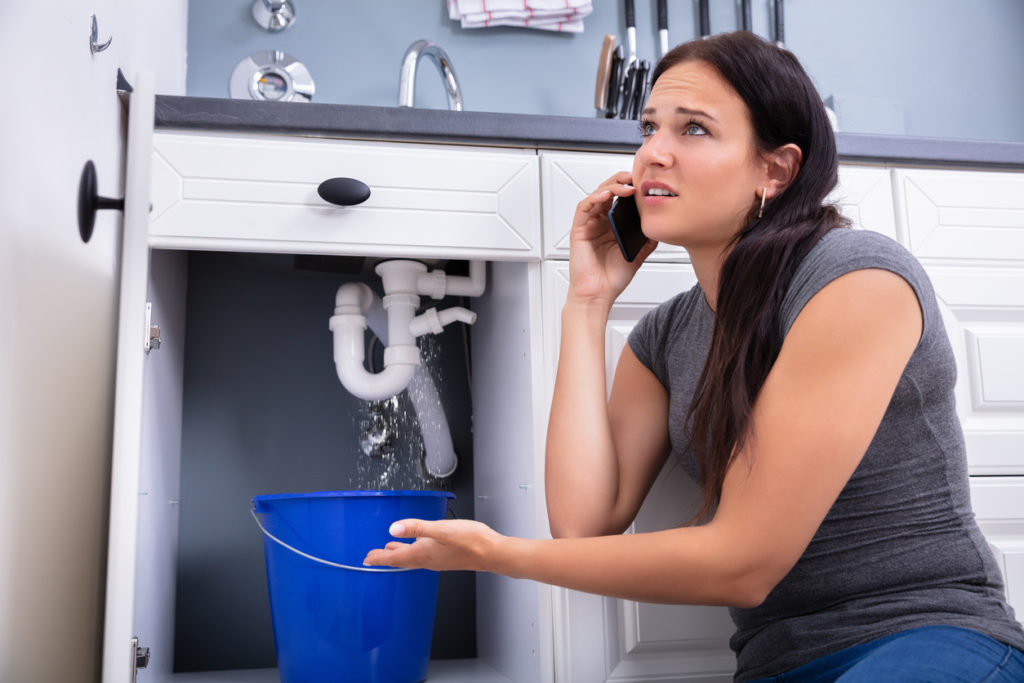
Woman Calling Plumber While Collecting Water Leaking From Sink

Overflowing Toilet 

A clogged toilet is one problem that can be handled without minimal fuss. An overflowing toilet is another issue altogether. The last thing you want is to find your bathroom flooded with toilet leftovers and sewage smells. It can be damaging to your home but also your quality of life and overall health. If you suspect that your toilet is overflowing, call our expert Calgary emergency plumbers now!   

(If you want to learn more about the most common plumbing problems in your household, read our post here)

Hot Water Tank Issues 

Due to a hot water tank’s finer details, you can experience issues that can spiral out of control very quickly. Problems such as sediment buildup, pilot light and thermostat issues, or natural wear and tear can stop your system from functioning and even cause leaks. 

That means no hot water for your home and a potential flood in your hands – in one of the most complex parts of your home. Bringing on board a specialist can help you navigate any water heater repairs. In some cases, if the damage is too severe, you might have to replace the unit. 

Don’t Wait Around – Contact Our Calgary Emergency Plumbers

If you have a plumbing emergency on your hands or suspect one might be occurring, then contact our emergency plumbers immediately. You can risk damaging your home if you do not act fast. Call our experts today when you need us! 

Calgary Plumber and Drains is your number one team of Calgary plumbers! Our success has been built on values such as honesty, hard work, affordable prices and superior customer service. We pride ourselves on offering clients throughout Downtown and surrounding areas with top-quality plumbing services, including leak repairs, installations, sewer and drain cleaning, toilet repairs, and water heater repairs in Calgary. As an emergency plumber in Calgary, we’re available when you’re in dire straits! For the number one plumbing company in Calgary, contact Calgary Plumber and Drains at 403-629-2920.
It’s one of the most common problems homeowners face: leaky faucets. 

So much so that most end up contacting their emergency plumber in Calgary for assistance during this little hiccup (and yes, if it’s leaking like crazy and won’t stop, then go for it). 

But if you can manage it on your own, then you can advert disaster or delay the problem until you get professionals out to help you. Let us show you how. 

How To Fix Leaky Faucets 

Firstly, you must know that there are four kinds of faucets: cartridge, compression, ceramic disk, and ball type. We’ll explain how to fix each of them when they’re leaking. Before you start fixing any faucets, make sure you: 

  • Shut off the water under the sink
  • Cover the drain with a rag to catch dropped parts
  • Set aside a spot where you can lay out new and old parts

Now, you’re good to go! 

Fixing Ceramic Disk Faucets 

It is much easier to replace a leaky ceramic disk faucet, so it’s the perfect way to start us. 

  1. Push the handle back to access the set screw. Remove it and lift off the handle
  2. Remove the escutcheon cap, before unscrewing the disk cylinder mounting screws. Then continue by lifting out the cylinder
  3. Remove the neoprene seals from the cylinder (if damaged, replace them immediately)
  4. Replace the seals inside the faucets and reassemble it
  5. Place the handle back on, and turn it “on”. You need to let the water run through slowly, so it does not break the ceramic disk

Fixing Cartridge Faucets 

  1. Remove the decorative cap from the handle, unscrew it and take it off 
  2. Use needle-nose pliers to remove any threaded retaining clip that is holding the cartridge in place. Pull it straight out. 
  3. Cut off the old O-rings using a utility knife and remove the spout. Coat the new O-rings with nontoxic, heat-proof plumber’s grease
  4. Continue with slowly replacing the handle and the remaining faucet pieces

Fixing Compression Faucet

Most leaky compression faucets need new seat washers, which makes this fixing process a lot easier than most people think. 

  1. Pry off the off the decorative cap on the handle
  2. Slowly remove the handle screw with a screwdriver and pull off the handle
  3. Unscrew the packing nut with a wrench, and loosen the stem from the faucet body
  4. Unscrew (again!) the rubber washer from the bottom of the stem
  5. Replace the seat washer with your newer model
  6. Continue to slowly replace the rest of the faucet until it’s back to normal 

If you have any problems with your compression faucet, speak to our team for advice. 

Fixing a tap

Fixing Ball-Type Faucets 

Compared to the other types of faucets, this contains more parts, therefore making it difficult. If you struggle with this faucet, there is no shame in contacting a Calgary plumber for assistance. 

  1. Pry off the small index cover with a pocketknife from the side of the faucet, which will reveal the hex-head screw. 
  2. Loosen the screw with your wrench and pull off the handle 
  3. Grab your pliers and remove the cap and collar of the faucet
  4. Loosen the faucet cam and lift it out, as well as the cam washer and the rotating ball
  5. With needle-nose pliers, remove the rubber seats and springs of the faucet 
  6. Now, it gets tricky, you’ll have to slip in a new spring and rubber seat until it’s fully loaded. Our tip is to use a tip of a pen to lower it down the faucet. Repeat this to install the second and third time if necessary
  7. Reinstall the stainless-steel ball, ensuring that it aligns with the springs 
  8. On top of the stainless steel ball, install the new rubber gasket and cam cap
  9. Tighten the top cap assembly back onto the faucet, before using a spanner to tighten the nut to ensure proper locking against the stainless-steel ball.

If you need assistance when faucet and plumbing repairs in Calgary, don’t be afraid to contact your local expert. It can save you time and money, and avoid you dealing with a great deal of stress. 

**Calgary Plumber & Drains shall not be held responsible for any DIY leaky faucet repair projects that do produce the desired results. This blog post is merely a guide only, and proper faucet repair should be conducted by an experienced professional**

Calgary Plumber and Drains is your number one team of Calgary plumbers! Our success has been built on values such as honesty, hard work, affordable prices and superior customer service. We pride ourselves on offering clients throughout Downtown and surrounding areas with top-quality plumbing services, including leak repairs, installations, sewer and drain cleaning, toilet repairs, and water heater repairs in Calgary. As an emergency plumber in Calgary, we’re available when you’re in dire straits! For the number one plumbing company in Calgary, contact Calgary Plumber and Drains at 403-629-2920.