Running your Furnace in the Winter
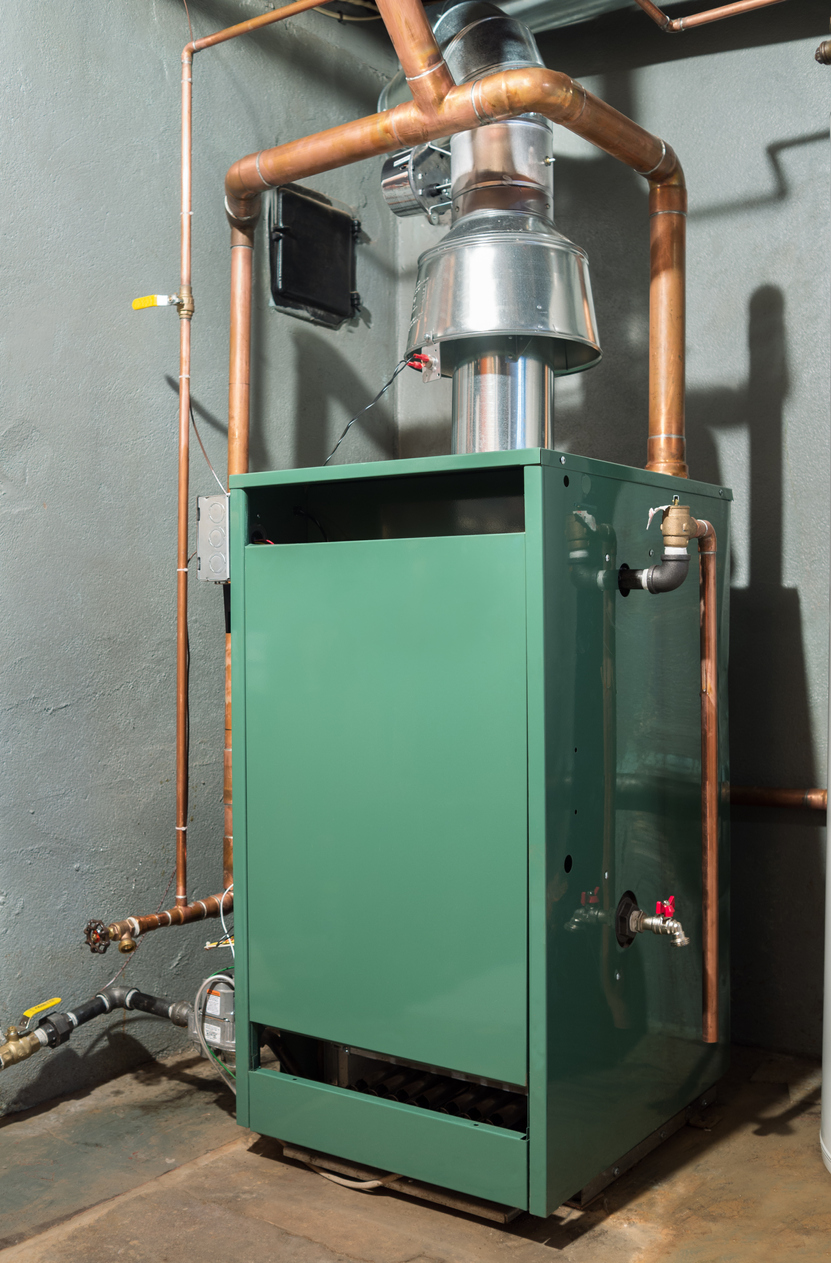
Homeowners often rely on their furnaces operating in the winter to keep their homes comfortable during the coldest days of the year. After not using your furnace during the spring and summer months, the winter will begin to test the functions of your furnace as it will be utilized more often than not. When you begin to use your furnace in winter, it will prompt a question regarding how often a furnace should be on during the winter to avoid overworking the fixture, which might culminate in a need for furnace repair in Calgary.
Find out how often homeowners should run their furnaces during the winter to maintain them and prevent potential damages.
Furnace cycles
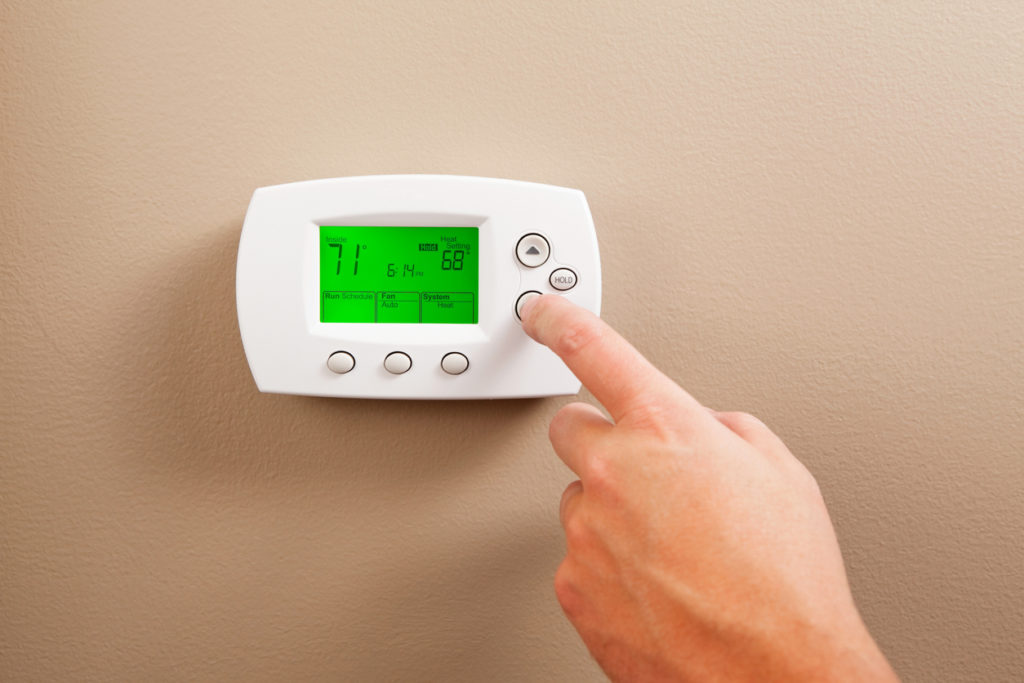
Furnace cycling often refers to how long a furnace will function to deliver heat within a home until it reaches a comfortable temperature. For example, if a household member sets the temperature to 70 degrees, the furnace will cycle heat for an allotted amount of time until the temperature reaches 70, and then the furnace will shut off. When the temperature begins to drop again after it shuts off, the furnace will start a new cycle to revert the temperature back to its desired level. Depending on your preferred temperature, the number of cycles that will occur daily will vary, as will the amount your furnace will be running–something you must factor in.
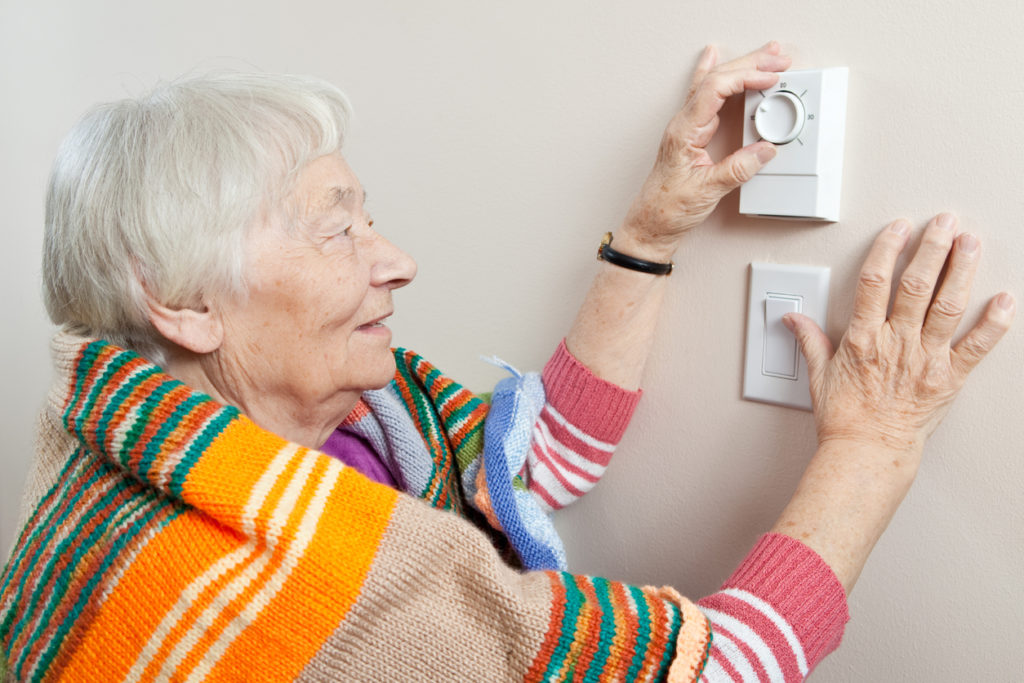
How often to keep the furnace on
There is no suggested timeframe to keep your furnace running, as it all depends on external factors, such as the size of your home. On average, a cycle will last 15 to 20 minutes, and a cycle can reoccur every three to eight times an hour. While the time you run your furnace has dependencies you may not be able to control, homeowners should keep a watchful eye on how much their furnace is running to reduce wasted energy, which can also contribute to high energy bills. To prevent high energy costs, consider keeping the temperature in your home at a minimal level, so your furnace will not continuously cycle.
Factors
Many factors will determine how often you will use your furnace during winter, including if your home has no insulation or if your windows and doors aren’t properly sealed, all of which can make your furnace have longer cycles. These issues can be corrected when you seal your doors and windows and install insulation in your walls, ensuring that your furnace doesn’t run longer than it should and will effectively reduce the energy you use. Another less controllable factor that will make a furnace cycle duration longer is if you live in a large residence, where it will take longer to heat up, or if you reside in a perpetually cold climate.
Signs of damage
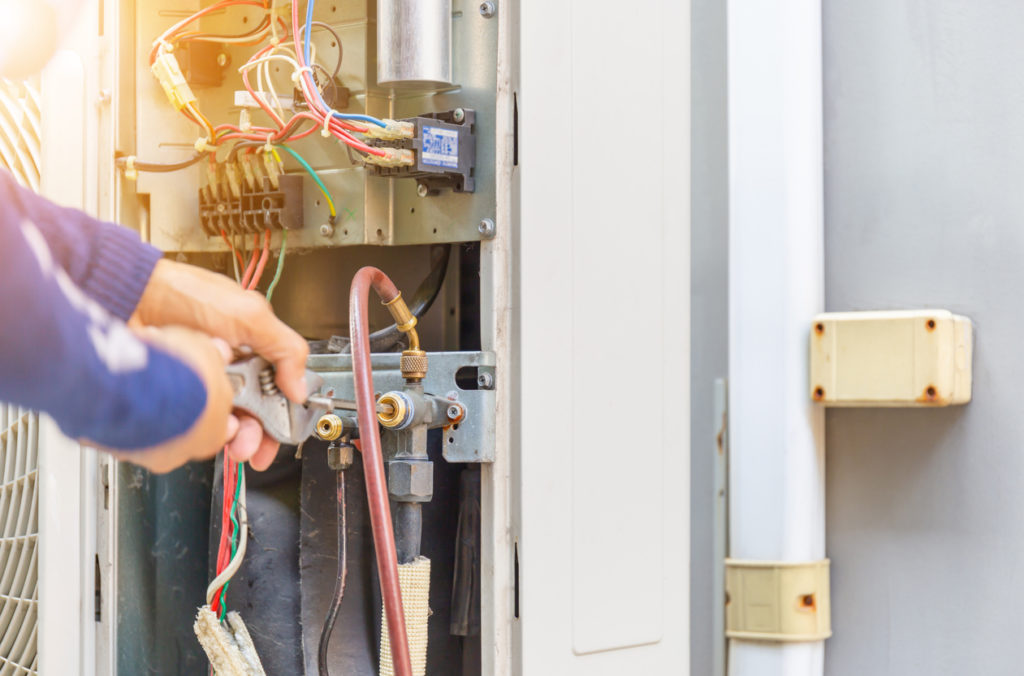
The number of times your furnace will cycle and heat your home will ultimately depend on different factors and how well your furnace operates. Like any fixture in the home, the furnace is not immune to damage, and some signs indicate problems may be on the horizon. A primary sign that something is wrong with your furnace is if it begins to cycle every two to three minutes, also known as short cycling. Short cycling is often caused by simple errors that can be quickly rectified, like a clogged air vent and old air filters that need to be replaced. Other, more severe problems, such as an aging HVAC that is deteriorating, or a damaged thermostat, blower motor, and flame sensor, all of which will require a furnace repair in Calgary from an HVAC repair professional
Calgary Plumber and Drains is your number one team of Calgary plumbers! Our success has been built on values such as honesty, hard work, affordable prices and superior customer service. We pride ourselves on offering clients throughout Downtown and surrounding areas with top-quality plumbing services, including leak repairs, installations, sewer and drain cleaning, toilet repairs, and water heater repairs in Calgary. As an emergency plumber in Calgary, we’re available when you’re in dire straits! For the number one plumbing company in Calgary, contact Calgary Plumber and Drains at 403-629-2920.