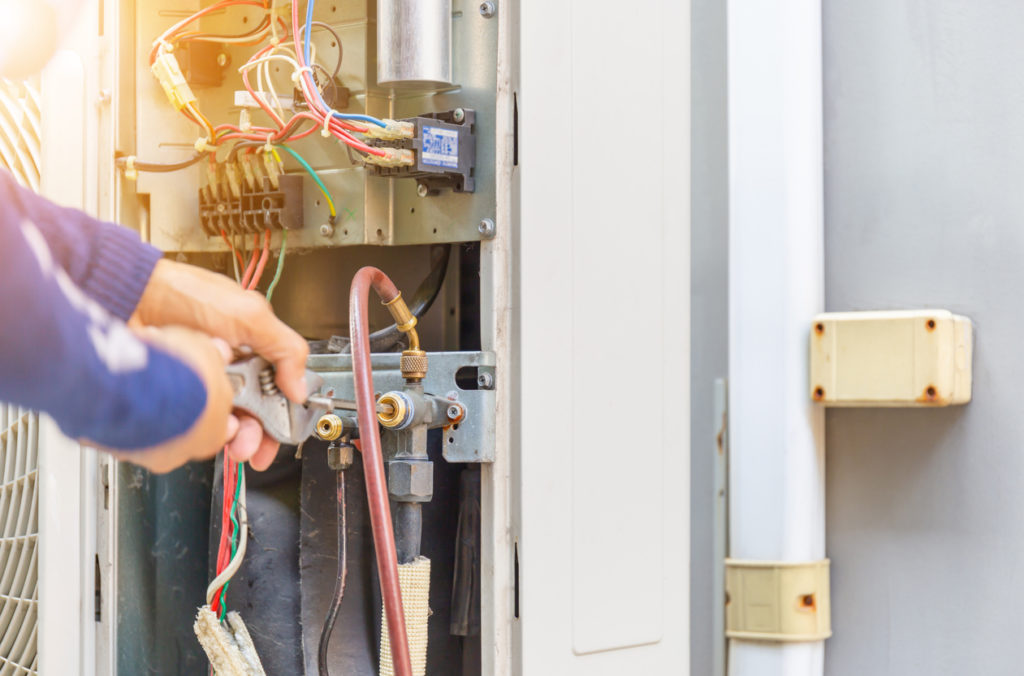
With chilly conditions that can go well below -30°C, the icy Calgary weather can do a number on the plumbing in a home. 

Keep winter’s icy embrace from your outside drain pipes by learning how to prevent freezing from occurring!

How Does Freezing Impact Your Plumbing?

You would be surprised to find how cold temperatures can significantly affect your plumbing. 

When temperatures drop, water can expand resulting in pipe blockages. Once blocked, this can lead to being unable to access running water. Even worse, pressure from the blockage can lead to a pipe bursting and needing plumbing repairs.

Even when winter ends, freezing on your outside pipes can result in foundation water damage, exterior wall cracks, and leaks into your basement or crawlspace.

Signs of Freezing in Your Plumbing

Now you know what could happen if you don’t prevent freezing from occurring. But how can you spot the signs of freezing? 

Temperature – This is a pretty obvious indicator. However, many don’t know the exact temperature of when water freezes. When temperatures drop to under 0°C, it can eventually lead to frozen pipes. Keep in mind weather reports on potential freezing conditions.

Frosted Pipes – If Jack Frost left his mark on your outside drain pipes, then it’s a clear signal to implement preventative measures. If you’re unable to know the exact temperature, this sign is quite obvious to see.

No Water – As stated, freezing can lead to blockages in your pipes. When this happens, you might find yourself without water. As a basic human need, being without water for too long isn’t ideal. Instances like these may require an emergency plumber

Sudden Smells – Odd smells from pipes are never a good sign. It’s more worrisome during winter. When frozen pipes are blocked, odours can’t escape and end up back in the direction of your home. 

How Can You Prevent Freezing from Occurring?

There is not much you can do about the cold. However, you can take control by preventing freezing from occurring.

Insulation – A sure-fire way to prevent freezing is to insulate as it promotes heat retention. It’s recommended to use polyethylene insulation when wrapping it around your outside drain pipes. If you’re still uncertain, insight from a licensed Calgary plumber is helpful.

Snow Removal – Calgary is no stranger to heavy snow. By getting rid of the snow surrounding your pipe, you can effectively reduce the chances of freezing from happening.

Calgary Plumber and Drains is your number one team of Calgary plumbers! Our success has been built on values such as honesty, hard work, affordable prices and superior customer service. We pride ourselves on offering clients throughout Downtown and surrounding areas with top-quality plumbing services, including leak repairs, installations, sewer and drain cleaning, toilet repairs, and water heater repairs in Calgary. As an emergency plumber in Calgary, we’re available when you’re in dire straits! For the number one plumbing company in Calgary, contact Calgary Plumber and Drains at 403-629-2920.

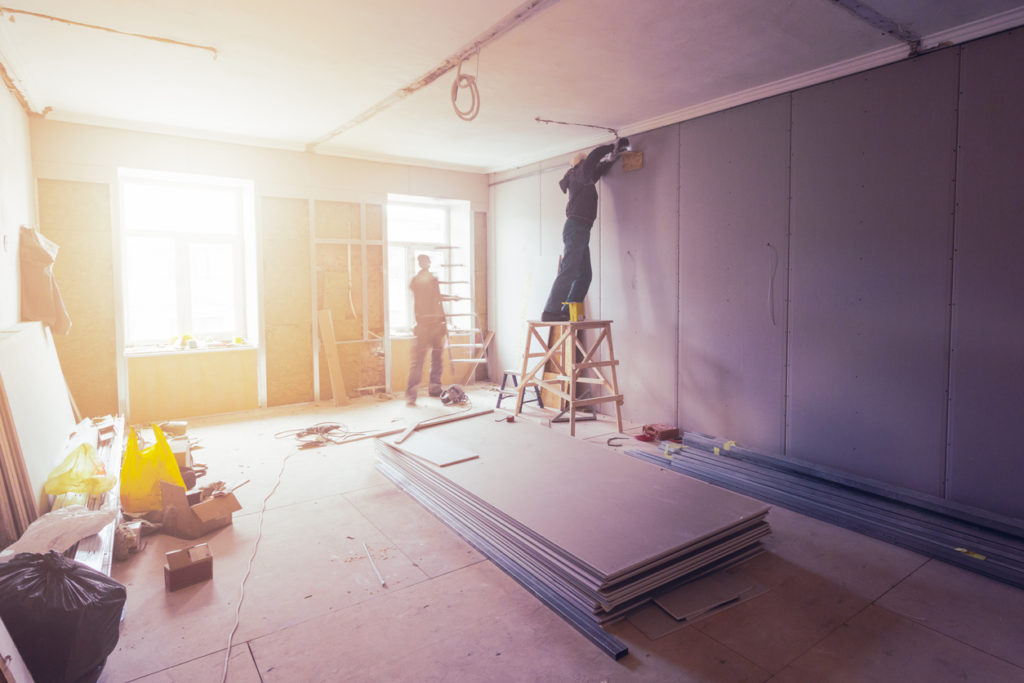
Are you planning on undertaking some bathroom renovations for your home? Do you wish to upgrade and improve your plumbing systems, such as your hot water tank? What about a sewer line replacement or repair? 

Before you jump the gun, it’s important to know if you need a plumbing permit for the job. Let’s dive right in and find out! 

When Do I Need a Plumbing Permit? 

Ultimately, you do not need a plumbing permit if you are undertaking maintenance, minor plumbing repairs or upgrading certain bathroom elements in your home. The most common examples include replacing or repairing a toilet, fixing faucets, repairing a leak or installing a new shower. 

The key reason is that these repairs do not affect the structural integrity of your home or plumbing system. Generally, if you are doing any repair, maintenance or upgrades that alter the structure or plumbing system (such as water supply or sewer lines) of your home, you will require a permit from the City of Calgary. 

According to the City of Calgary, “a plumbing permit is required when: A plumbing system is constructed, extended or altered [or a] Water and sewer lines in or around the home are replaced.” 

In some cases, you might require a permit when installing or repairing a hot water tank, particularly if there are any changes to the “the gas lines located upstream from the water heater shut off valve, the venting system (e.g. size and design) [and] the type of water heater (e.g. changing from a natural draft water heater to a direct vent water heater).”

plumbing-repairs-calgary

What are the Benefits of a Permit?  

Having a permit before you commence any major plumbing or renovation work will give you peace of mind knowing that you’re following City bylaws while ensuring a high standard of work is being met by the plumber. Plumbers will have to follow the standard set by the work, guaranteeing a higher quality of work. 

Most significantly, it also protects you against liabilities or fines in the future. Not only will you face a penalty from the City of Calgary, but if you sell your home, the buyers can make a claim against you if the work affects their home. 

Is it Easy to Apply for a Permit? 

To obtain a permit, you will have to meet the criteria set by the City of Calgary (including whether you legally own the home, do the work yourself or hire a professional), pay the application fee, and apply for the permit. 

Should Hire a Plumber to Help Me? 

Indeed, you should. Having an experienced plumber on your side (like the experts at Calgary Plumber and Drains) can make your permit application process easier. They will be able to manage your application for you, so it gets accepted without any further delays. It’s the best option if you don’t want to apply for an application yourself. 

Calgary Plumber and Drains is your number one team of Calgary plumbers! Our success has been built on values such as honesty, hard work, affordable prices and superior customer service. We pride ourselves on offering clients throughout Downtown and surrounding areas with top-quality plumbing services, including leak repairs, installations, sewer and drain cleaning, toilet repairs, and water heater repairs in Calgary. As an emergency plumber in Calgary, we’re available when you’re in dire straits! For the number one plumbing company in Calgary, contact Calgary Plumber and Drains at 403-629-2920.

Frozen pipes are a homeowner’s worst nightmare in the winter. 

The risks include expensive and extensive plumbing repairs and damaged walls and ceilings. So what do you do when your pipes freeze in the winter? 

Before we get to that, let’s look at the signs that indicate your pipes are frozen. 

Signs Your Pipes are Frozen 

If you experience any of the following, your pipes could be frozen: 

  • Damp drywall or ceiling
  • Limited water coming through the pipes
  • Gurgling sounds when pipes are running
  • Smelly water
  • Bulging pipes 

What Should I Do? 

There are a few simple steps you can take to ensure your frozen pipes don’t damage your home: 

  1. Shut off your water source. Find your main water supply source and shut it off. 
  2. Try to find the frozen pipe. If possible, see if you can find it. 
  3. Check for leaks around the pipe. Determining the pipe’s condition can help you know what to do next. 
  4. Try to thaw it. Using a portable heater, heating cable, electric heating pad, or hairdryer can help thaw your pipes.  
  5. Contact a plumber. If the pipe is leaking, heavily damaged, or unable to thaw it, then having a professional plumber review and fix it is your best course of action. 
calgary-plumber

How to Prevent Frozen Pipes 

The best way to prevent your pipes from freezing is to keep them at a temperature above zero. Here is how you can do it effectively: 

  • Insulate the pipes – Purchasing specifically designed pipe insulation made from fibreglass, polyethylene or foam. These can help protect your pipes from any cold throughout the winter. 
  • Use heating tape – Similar to pipe insulation, applying heating tape to pipes can help them retain heat. 
  • Cover crawl spaces and gaps – Ensuring that gaps are closed will stop any cold air flowing into and onto your pipes, reducing the chances it will freeze. 
  • Let your faucet and pipes – It might seem strange, but letting the water run through your pipes will help it during winter. The small amount of friction and heat produced by water can keep your pipes from freezing. 
  • Keep your thermostat consistent – Keeping your home nice and toasty will ensure that the pipes remain at a decent temperature. 
  • Close the windows and doors – Ensuring that no cold enters your home will help protect your pipes from getting exposed to extreme colds. 

Preventing frozen pipes is the best way to protect your home, avoiding emergency plumbing situations and costly repairs. If you do suspect that you have a frozen pipe, it’s best to contact a Calgary plumber as soon as possible! 

Calgary Plumber and Drains is your number one team of Calgary plumbers! Our success has been built on values such as honesty, hard work, affordable prices and superior customer service. We pride ourselves on offering clients throughout Downtown and surrounding areas with top-quality plumbing services, including leak repairs, installations, sewer and drain cleaning, toilet repairs, and water heater repairs in Calgary. As an emergency plumber in Calgary, we’re available when you’re in dire straits! For the number one plumbing company in Calgary, contact Calgary Plumber and Drains at 403-629-2920.

Don’t think that all plumbing pipes are the same. 

In today’s plumbing world, there are many types of plumbing pipes available: some made from newer materials, and some are old classics. 

Let’s take a look at the pros and cons of these six commonly used plumbing pipes. 

Modern-Day Plumbing Pipes 

Copper Pipes

Commonly used for water supply lines within the home, copper pipes (also known as rigid copper) are better plumbing options available. Not only is the pipe easy to install and repair for professional Calgary plumbers (as it can be easily cut copper cutters), but for homeowners, it handles heat well, stands up to high water pressure and can be recycled. 

As for the cons: it can be a tad more expensive than other plumbing pipe options, and it’s not a pipe for DIY projects. It’s best to leave that to the professionals. 

PEX Pipes

PEX is made from HDPE (High-Density Polyethylene) and is a long-lasting alternative to most older-day pipes. It is durable, cost-effective, non-toxic, resists freezing damage, and doesn’t corrode from the inside. 

As such, it’s considered the best replacement pipe for plumbing repairs

PVC Pipes 

Short for polyvinyl chloride, PVC has slowly become one of the more popular choices for residential plumbing systems. 

Made with a combination of plastic and vinyl (in technical terms, thermoplastic polymer), these pipes have a long life span, have more durability than most other metal pipes, and can easily handle water pressure, making them ideal for the main supply line. It is also easy to mould and bend to your will and has a low-cost attached to it. 

However, it can also be susceptible to warping, especially in extremely hot water, and cannot be unjoined and must be cut when they are glued together. 

CPVC Pipes  

Chlorinated Polyvinyl Chloride, shortened to CPVC, is the sister of PVC. Both are made with similar elements and materials, with the key difference being that CPVC is chlorinated. 

What does this mean? 

It means that apart from sharing many of the same benefits as PVC, CPVC pipes can also withstand higher temperatures than PVC pipes. This ensures CPVC can handle hot water transport.

plumbing-repairs-calgary

Outdated Plumbing Pipes Still in Use 

Poly B Pipes  

Poly B pipes are also known as Polybutylene pipes. They are flexible grey pipes mainly used in hot water and residential plumbing systems. It was considered the standard home pipe, as it was used in properties from 1985 to 1997 because of its flexibility, low cost, and ease of installation.

However, due to its reputation for being notoriously problematic, resulting in hairline cracks, leaks at fittings and bends when exposed to excessive high-temperature, uv light or high-pressure areas, it has been replaced with more advanced pipes, such as PEX. 

Galvanized Steel 

While not common in today’s housing construction, galvanized steel was big in the 1980s, and many homes still have them today. The steel pipes are coated with a layer of zinc, which helps prevent any build-up of rust, while they can easily be threaded together at the ends. 

As for the reasons why homes don’t have them anymore: they eventually corrode and block water flow while also passing on lead into the water supply. Unfortunately, a lot of homes still have them and use them (particularly for some applications, like natural gas hot water heaters). It’s best to get them replaced when possible. 

Calgary Plumber and Drains is your number one team of Calgary plumbers! Our success has been built on values such as honesty, hard work, affordable prices and superior customer service. We pride ourselves on offering clients throughout Downtown and surrounding areas with top-quality plumbing services, including leak repairs, installations, sewer and drain cleaning, toilet repairs, and water heater repairs in Calgary. As an emergency plumber in Calgary, we’re available when you’re in dire straits! For the number one plumbing company in Calgary, contact Calgary Plumber and Drains at 403-629-2920.

When your pipes get clogged, it’s an inconvenient problem that needs to be sorted. The real question is, though: is it your drain or the city sewer line? 

And if it’s the latter, how do you solve the problem? 

Before we look at your options, let’s see what signs indicate that you have a city sewer line problem. 

Signs of Sewer Line Clog 

There are some key signs that your sewer line is clogged: 

  • Water back-ups into your drain, toilet, shower and sink
  • You hear gurgling sounds coming from the pipes 
  • Slow-running drains due to low water pressure 
  • Foul odours coming from your drains
  • Sewage coming back up through drains

The key difference between a regular drain clog and a sewer line clog is that the former can be solved easily while the latter constantly causes these problems and tends to worsen over time. 

sewer-line-replacement-calgary

Who to Turn to for Sewer Line Replacement in Calgary  

Determine Who is Responsible for the Repair or Replacement 

In most municipalities across Calgary, the homeowner is responsible for maintaining and repairing the sewer line running from their property to the mainline. If it’s on your property, it’s your job to fix it. If not, it’s the municipality. You can only determine that by getting your sewer line inspected by a professional.  

Contact Your Calgary Plumber 

If you suspect that your sewer line is clogged up, the first thing you should do is contact your local Calgary plumber. They will further inspect your sewer with their advanced in-pipe CCTV camera system to determine its condition and if you need sewer line repairs or a replacement

Depending on the assessment results, your Calgary plumber can provide you with advice on the best course of action for your clogged sewer. In most cases, they will handle the work themselves without reaching out to the city or municipality.  

Notify the City of Calgary 

There are some situations where, unfortunately, the plumber cannot solve the problem. There might not be issues with the sewer line, but the mainline, which has affected the efficiency and quality of your sewer line. 

Often, the city will work on the sewer line and inadvertently break a pipe or cause other damage, resulting in a clogged line. 

If there is a problem in the mainline affecting your sewer line, you’ll have to contact the City of Calgary or your local municipality for more information and help. 

Calgary Plumber and Drains is your number one team of Calgary plumbers! Our success has been built on values such as honesty, hard work, affordable prices and superior customer service. We pride ourselves on offering clients throughout Downtown and surrounding areas with top-quality plumbing services, including leak repairs, installations, sewer and drain cleaning, toilet repairs, and water heater repairs in Calgary. As an emergency plumber in Calgary, we’re available when you’re in dire straits! For the number one plumbing company in Calgary, contact Calgary Plumber and Drains at 403-629-2920.

As a homeowner, there might be a feeling of dread that come winter, your furnace might break down. The last thing you want is to go through the cold months without any heating support. 

The thing is, as most furnaces can last for up to 20 years, many of us don’t know how much it costs to install a new model in our home when the moment calls for it. So, what’s the cost of a new furnace installation in Calgary

Thankfully, we have the quick-fire guide to help you!

What Impacts the Cost of Furnace Installation? 

There are several factors that can affect the cost of installing a new furnace in your home. Please consider the following: 

  • The size of your home – The larger your home, the larger your furnace has to be. That’s because your furnace has to support your home’s heating, so the larger your home, the larger the furnace. 
  • The type of furnace – Depending on the make, model and brand of the furnace, your price will vary greatly. The efficiency of the furnace – The higher the Annual Fuel Utilization Efficiency rating, the more expensive the furnace will typically be. That’s because you’ll save more money in the long run. 
  • The installation and the labour – Not all installations are the same. Some require more work than others because of the project’s complexity, the house or the removal of the old furnace. This, in turn, will affect the labour of the plumber.  
  • Any additional factors – You’ll also have to consider the current safety codes of your home, any complicated venting upgrades, conversions (from oil to gas to electric), and furnace relocation requirements for the project.
furnace-replacement-calgary

The Average Cost of New Furnace Installation in Calgary

The best way to determine how much a new furnace installation will cost you is to speak directly to a highly qualified plumber in Calgary. They can provide you with an estimate based on the type, size and complexity of your project. 

However, having a rough idea of the cost of installation can guide you going forward. Here are some examples of what the cost could be: 

  • Home Advisor states that “installing or replacing a furnace costs between $2,673 and $6,576 with an average cost of $4,624 including materials, equipment and labour.”
  • Home Guide offers similar prices, stating that “a furnace replacement costs $2,000 to $5,400 on average for a new home furnace and installation labour.” 
  • HVAC.com follows a similar path, saying that the “average replacement cost of a furnace ranges from $1,795 to $6,290, with most homeowners paying about $3,817. Prices will vary based on city, cost of living, brand, efficiency, warranties included, and more.” 

While these are average prices, as we said, your best course of action is to contact a professional plumber in Calgary – like Calgary Plumber and Drains! 

Calgary Plumber and Drains is your number one team of Calgary plumbers! Our success has been built on values such as honesty, hard work, affordable prices and superior customer service. We pride ourselves on offering clients throughout Downtown and surrounding areas with top-quality plumbing services, including leak repairs, installations, sewer and drain cleaning, toilet repairs, and water heater repairs in Calgary. As an emergency plumber in Calgary, we’re available when you’re in dire straits! For the number one plumbing company in Calgary, contact Calgary Plumber and Drains at 403-629-2920.